Connection culture design for youth-serving organizations

Every adult sturdy. Every child seen. Every organization transformational.

500 Fist Bumps™ partners with youth-serving organizations to make consistent, caring connection between adults and children the norm, so every child is known by name and supported through hard moments by the adults around them.

Book a 30-minute call See what it looks like

Not the one who decides? Send this to your director.

Before you scroll

Think of an adult outside your family who made you feel seen growing up.

Hold them in mind for a moment. Who was it?

What we build

Your people already care. We help that care reach every child, every day.

Coaches, youth workers, mentors, and front-desk staff hold a deep commitment to the children they serve. In most organizations that commitment shows up in some adults, in some moments, so a child's experience depends on which adult they happen to meet that day. 500 Fist Bumps partners with your leadership to make caring connection the shared norm of your organization, so every adult shows up as a consistent, caring presence for every child.

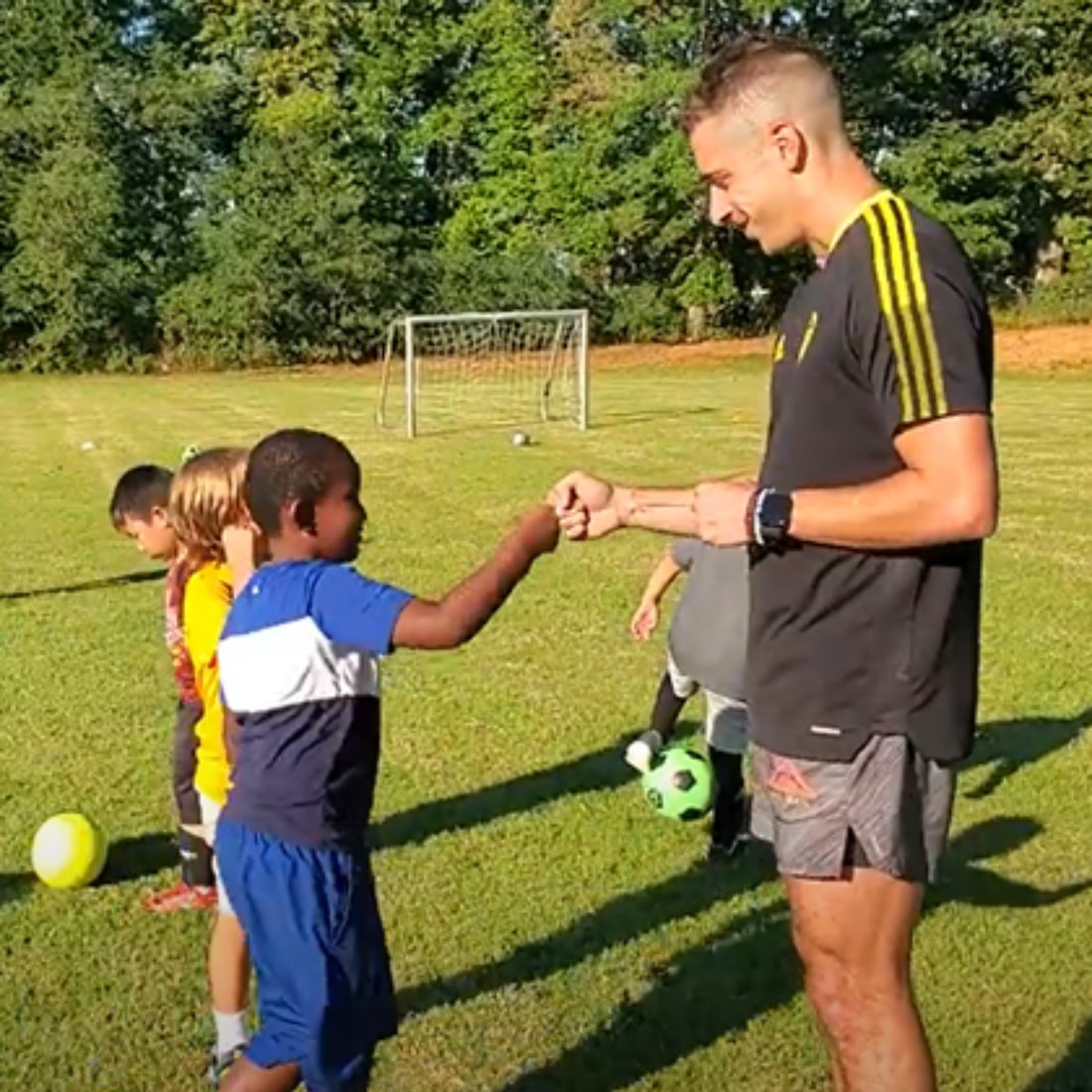
A coach and a young player share a fist bump at soccer practice

For the children you serve

A predictable adult who sees them in every interaction, at drop-off, on the field, and at pickup.

For your staff

A shared language for connection and regular evidence that what they do every day matters.

For your organization

A mission families can feel when they walk in, plus stories and data you own and can share with funders.

The ANCHOR™ behaviors

Six behaviors every adult in your organization can practice today.

Acknowledge, Name, and Connect are the connection behaviors. Height, Open, and Repair are the co-regulation behaviors, which help a child settle their nervous system and feel safe. Choose a letter to see each one in practice.

Connection behavior

A

Acknowledge

What it looks like

Why it matters

The evidence

Grounded in developmental science and measured with care.

The protective power of caring adults is one of the most established findings in child development. Our work draws on positive childhood experiences research, attachment science, positive community norms, and the study of how organizational culture forms and holds.

72%

lower odds of depression or poor mental health in adulthood

Adults who recalled high levels of positive childhood experiences, compared with those who recalled few. Having at least two non-parent adults who took a real interest in you is one of those experiences, and it is the one ANCHOR is built to produce.

Bethell, Jones, Gombojav, Linkenbach, and Sege, 2019, JAMA Pediatrics

How ANCHOR builds the four HOPE building blocks

Relationships

Consistent, caring connection with the adults around a child, built through Acknowledge, Name, Connect, and Repair.

Environment

Settings where children feel safe and welcome because every adult follows the same norm.

Engagement

Belonging that grows as children take part in a community, including teens who practice ANCHOR themselves.

Emotional growth

Co-regulation from steady adults, which builds a child's own capacity to manage big feelings.

We measure the conditions children experience

Our measures track connection, belonging, felt safety, and the shared staff norm that holds them in place. Surveys ask staff what their colleagues do, which reads the norm across the organization and keeps any individual from being scored.

Research partnerships with UNC Greensboro

Our IRB-approved research includes a Spring 2025 study of campus recreation intramurals with 268 students. Our co-founders bring decades of public health research, including federally funded evaluation work.

How it works

Culture change begins with the people who lead your organization.

Our early work with volunteer coaches showed us how quickly a single training fades once the trainers leave. Staff take their cues from what leaders model, protect, and expect, so we design the work with your leadership and build the structure that keeps it alive inside your organization long after kickoff.

  1. 01

    Leadership co-design

    A working session with your CEO or executive director and key decision-makers. You leave with decisions that take effect right away and a designated Champion.

  2. 02

    Launch from the top

    Your leaders and Champion introduce ANCHOR to staff and volunteers as a defining expectation of working there, supported by micro-lessons short enough for a single break.

  3. 03

    Your Champion keeps it going

    The Champion gathers stories, holds a standing place in leadership meetings, and meets regularly with our co-founders and a growing network of Champions from other organizations.

  4. 04

    Measure, reflect, deepen

    Brief staff surveys, stories, and observation show whether the norm is shifting. Champion and organizational certification is in development.

In practice

We turn what your people tell us into decisions you can act on.

Data is part of every partnership. We collect it, explain it in plain language, and help your leaders use it to decide what to do next.

  1. 1

    Measure

    Brief surveys of your staff and volunteers, before and after, asking how often they use each ANCHOR behavior and how often they believe their colleagues do.

  2. 2

    Interpret

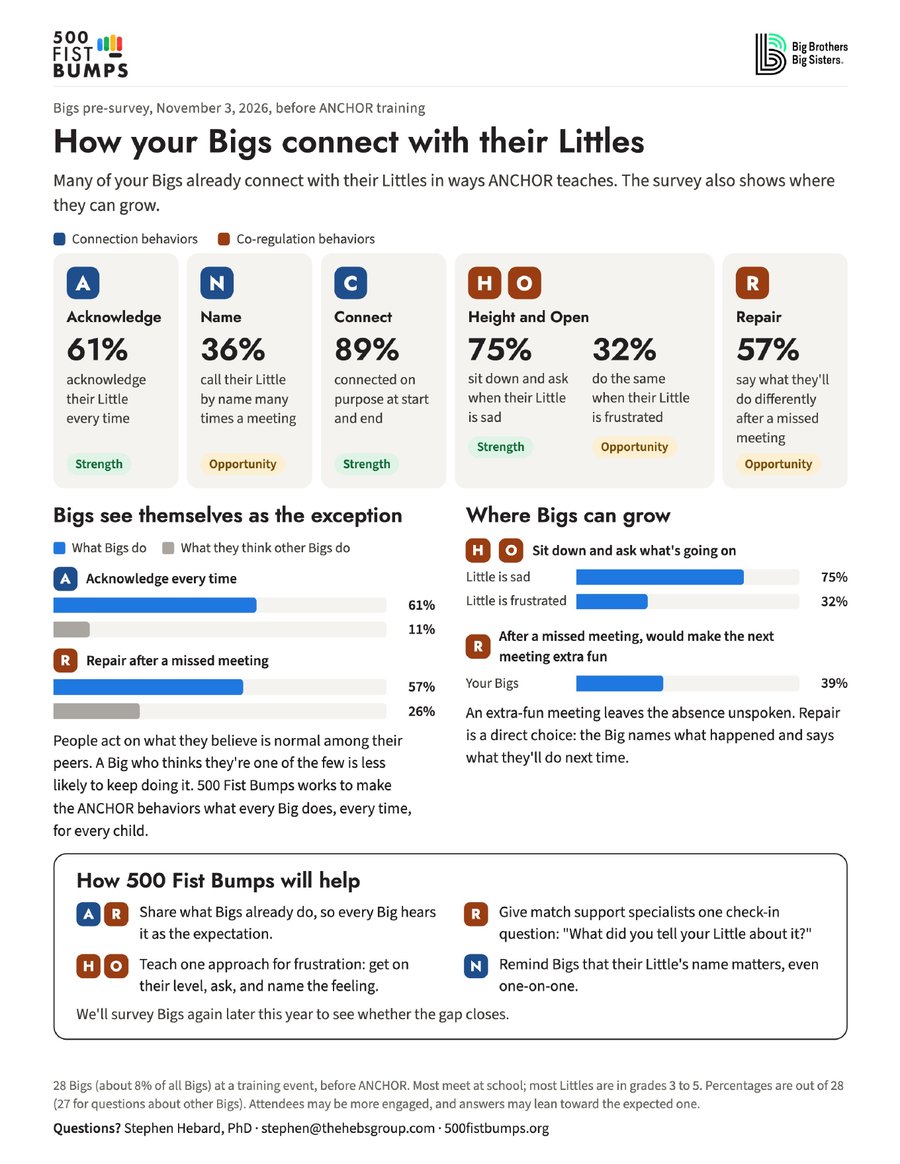
    We show you where your people are already strong, where they can grow, and where they underestimate one another, on one page written for the people who run your organization.

  3. 3

    Act

    Together we choose a few specific changes, then measure again to see whether they worked.

A one-page data report prepared for a partner organization
This is what partners receive after we collect data.

Our team

Researchers and coaches who stay in the work with you.

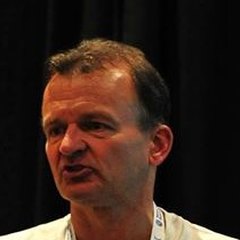
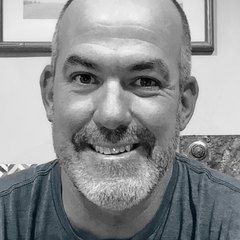
Mike and Stephen lead every partner kickoff, take every discovery call, and stay involved through implementation. Together they bring four decades of youth coaching, behavioral research, public health, and clinical mental health practice.

Mike Perko, PhD

Co-founder

Mike is in his 44th year coaching youth, high school, and college athletes and is Professor Emeritus of Public Health Education at UNC Greensboro. A national health promotion leader, he has led two top-ten doctoral programs in Community Health Education and given more than 100 invited and keynote addresses. He came to this work through his son, when a coach turned a stressful youth sports moment around in ten seconds, the same gift Mike had received from his own coach decades earlier.

  • Professor Emeritus, UNCG
  • 44 years coaching
  • 100+ keynote addresses
  • Health promotion Hall of Fame

Stephen Hebard, PhD

Co-founder

Stephen is a behavioral researcher and translational scientist with clinical mental health experience and a decade leading large-scale K-12 and higher education mental health initiatives. He has secured more than $5 million in federal and state research funding and designed programs adopted by more than 20,000 participants, including 6,000 high school students each year. He is the founder of the Overlap Sport Lab, which helps sport organizations, nonprofits, and funders turn research into training, tools, and practices designed for how sport works, then prove they make an impact. He also coaches youth soccer, so he knows what holds up on a sideline as well as in a study.

  • Youth sport and mental health expert
  • Founder, Overlap Sport Lab
  • $5M+ in research funding
  • Youth soccer coach

Board of directors

Marlee Rindal

Marlee Rindal

Executive Director, Mary Perry Ragsdale YMCA

Bill Steffen

Bill Steffen, PhD

Associate Professor of Exercise Science, Wingate University; Core Educator, United Soccer Coaches

Ruby Brown-Herring

Ruby Brown-Herring

Founder, RBH Wellness Solutions

Robert Black

Robert Black

Founder, Generation Next Project

Where it is happening

Organizations that have made connection part of who they are.

Founding partner · High Point, NC

Mary Perry Ragsdale YMCA

The Ragsdale Y is building the Champion role and ANCHOR into its own staff onboarding, so every new hire arrives into a place where connection is already how things are done.

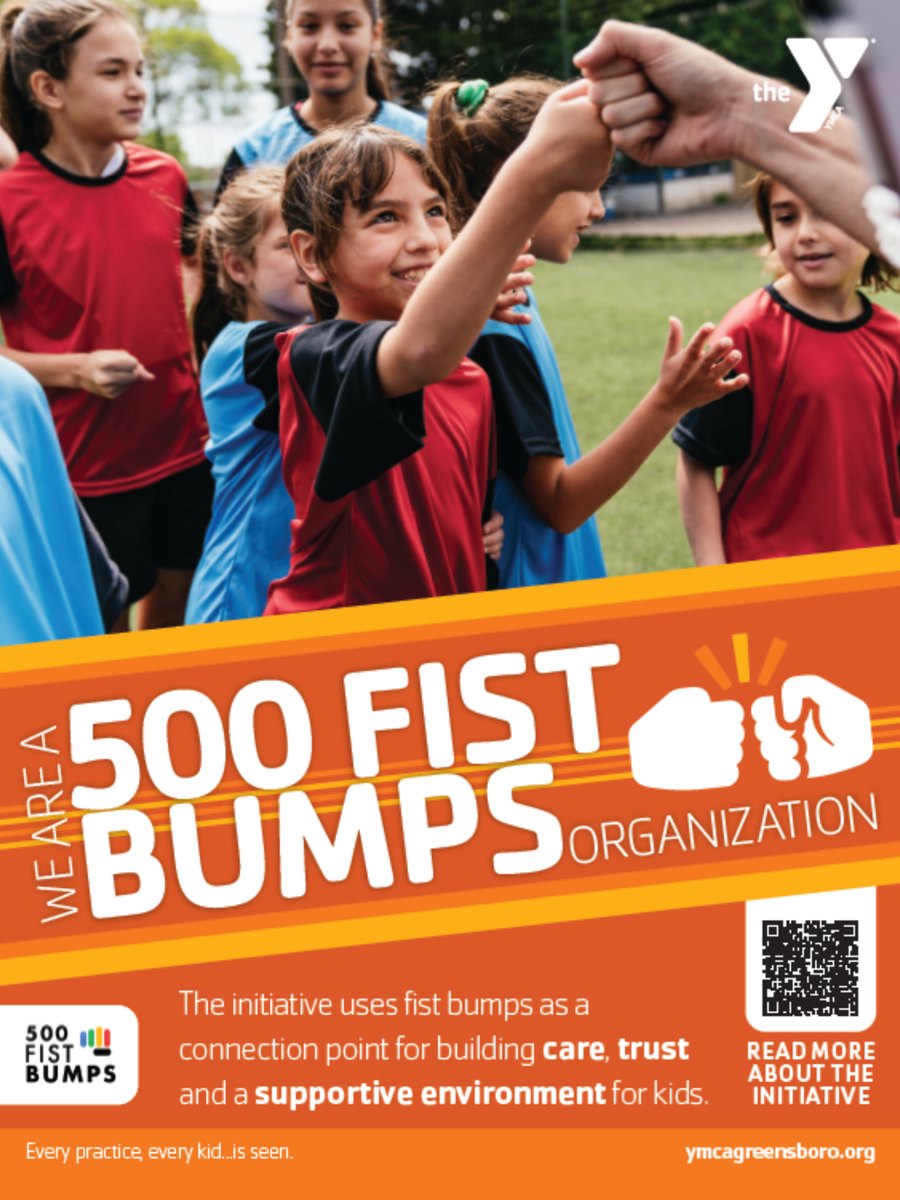
“We Are a 500 Fist Bumps Organization. Every practice, every kid is seen.”Declaration displayed in Ragsdale YMCA facilities

Mentoring

Big Brothers Big Sisters of Central Piedmont

Working toward every Big using ANCHOR with their Little, across roughly 350 matches, many in school-based programs.

National youth sports

YMCA National Gymnastics Championship

We helped design the event experience and spoke to more than 3,000 athletes, coaches, and families, and we are exploring a partnership with YMCA of the USA's youth sports work.

Five more youth-serving organizations in High Point have committed and are ready to begin.

A YMCA poster reading: We are a 500 Fist Bumps organization. Every practice, every kid is seen.
Poster designed by the Mary Perry Ragsdale YMCA in Jamestown, NC, for its own hallways.

On the wall

When connection becomes who you are, you say so out loud.

The Mary Perry Ragsdale YMCA designed this poster and hangs it in its hallways, where every child, family, and staff member sees it on the way in. A public commitment like this is part of becoming a 500 Fist Bumps organization: the promise moves off the mission statement and onto the wall.

“Every practice, every kid is seen.”

Questions leaders ask

What you will want to know first.

How much staff time does this take?

Less than most trainings. Your leadership team spends one working session of two to three hours with us. Staff and volunteers complete six micro-lessons, each short enough for a single break. Your Champion meets with us every two weeks at first, then monthly as the work settles in.

What does it cost?

Partnerships are fee-based, and we work alongside you to fund them. We help partners pursue foundation and mental health funding, either with 500 Fist Bumps as the grant recipient or as a provider written into your own budget. We will talk through the options on your call.

Does this replace the training we already do?

ANCHOR sits alongside the trainings and curricula you already use. Those build what individual staff know and can do; connection culture shapes the organization they practice it in, so every child meets a consistent, caring adult.

How do you know it is working?

We gather stories through your Champion, run brief staff surveys at the start, middle, and end of implementation, and add observation where it fits. Surveys ask what colleagues do, which measures the shared norm and keeps any individual from being scored. You receive an impact report to share with your board and funders.

What kinds of organizations do you work with?

YMCAs, mentoring programs, youth sports, afterschool programs, and other organizations where adults spend time with children. Our core focus is children ages six to eleven, and the work extends to teens, who practice ANCHOR themselves.

We are not in North Carolina. Can we still partner?

Yes. Your leadership and Champion lead the work locally, and our co-founders stay alongside you throughout, in person or by video.

Free discovery call

Start with a 30-minute conversation.

Tell us about your organization and the children you serve. We will share how connection culture could take shape in your setting, and you will leave knowing whether a partnership makes sense.

  • A video call with one of our co-founders
  • Built for CEOs, executive directors, and program leaders
  • No cost and no commitment

Prefer email? stephen@thehebsgroup.com

Calendar not showing? Open the booking page

Not the one who decides?

Send this to your director.

Enter your email and we will send you a short note, ready to forward to your executive director, with a link back to this page.

See the note we will send

Subject: An idea for how our staff connect with kids

Hi [Director's name],

I came across 500 Fist Bumps, a North Carolina nonprofit that partners with leaders of youth-serving organizations to make consistent, caring connection between adults and children part of daily practice. They start with leadership, name an internal Champion, and give every adult six simple behaviors, called ANCHOR, to use with every child.

The research behind it is solid: adults who recall high levels of positive childhood experiences, including caring adults outside their family, have 72% lower odds of depression or poor mental health later in life.

They offer a free 30-minute call with one of their co-founders, and I think it could be worth our time: 500fistbumps.org

[Your name]

We send this one note, plus updates only if you check the box. Your email is never sold or shared.